
In PV plants the inverter is the core asset: accurate acquisition and reliable transmission of its data is crucial to the stable operation and management of the whole plant. In a conventional setup the data collector stick occupies the inverter’s single communication channel and normally feeds only the State Grid municipal distribution network, so adding a second, independent acquisition path is difficult. With its specific capabilities, the RS485 bus sharer plays an indispensable role in inverter data acquisition by resolving exactly this port-contention problem.
1. Application background
A large PV plant usually has many inverters, each producing a large volume of data — output voltage, current, power, frequency and operating status (normal, fault, standby and so on). That data must be acquired accurately and promptly and transmitted to the monitoring system, so that operators can follow each inverter’s condition in real time, find faults quickly and maintain the plant efficiently. Traditional RS485 networks are single-master, multi-slave. Some scenarios, however, require two master devices to acquire data from and control the same inverter at the same time. A larger distributed PV plant, for example, may have both a local monitoring center and a remote monitoring center: the local center needs live inverter data for on-site O&M, while the remote center aggregates and analyzes the whole plant’s operating data for remote dispatch. This is where the RS485 bus sharer comes in.
2. The RS485 bus sharer
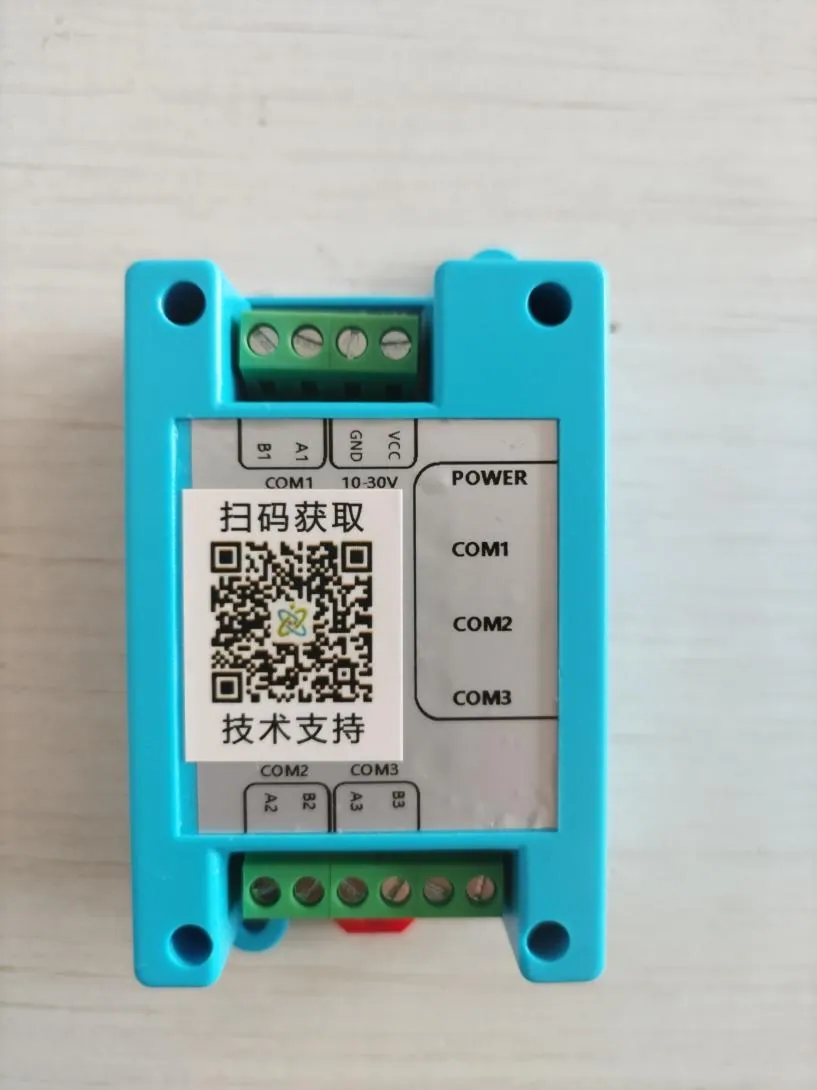
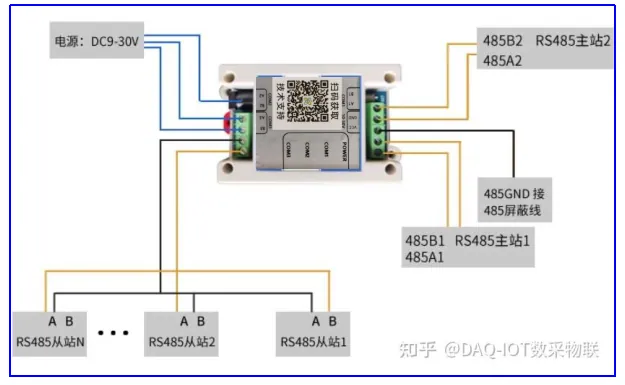
The RS485 bus sharer connects two master devices and one slave device (an inverter, meter, anti-islanding device, power quality analyzer or other PV balance-of-system equipment) to the same RS485 interface and keeps the data flowing in an orderly way. Inside, it uses an advanced isolation circuit and a collision detection mechanism. When both masters send a request to the inverter at the same time, collision detection spots the conflict immediately and applies preset rules — priority assignment or time-division multiplexing — so the requests never collide. The isolation circuit blocks electrical interference between devices and keeps the signal stable and accurate. If master A asks for the inverter’s live power while master B asks for its operating status at the same moment, the sharer sends A’s request first, waits for the inverter to respond, and only then sends B’s request, avoiding the communication errors that a data collision would cause.
3. Technical approach and advantages
A conventional single-master RS485 network cannot serve several control centers that need to read from and control the same inverter. The RS485 bus sharer removes that limitation: both masters can read data from and send commands to the inverter as each of them requires. The local monitoring center gets live inverter data and can react quickly to on-site problems, while the remote center analyzes the collected data to set better operating strategy.
The internal isolation circuit blocks electrical interference between devices and makes the system more stable. In the electrically noisy environment of a PV plant, where equipment generates substantial electromagnetic interference, this isolation keeps interference out of inverter data acquisition and preserves the accuracy and completeness of the data.
4. Field cases
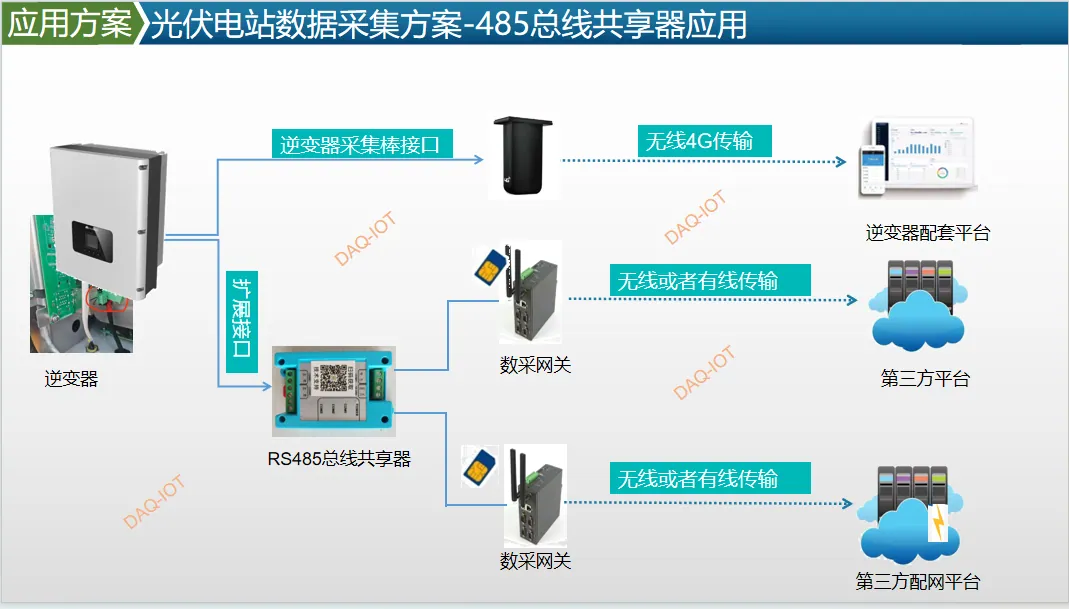
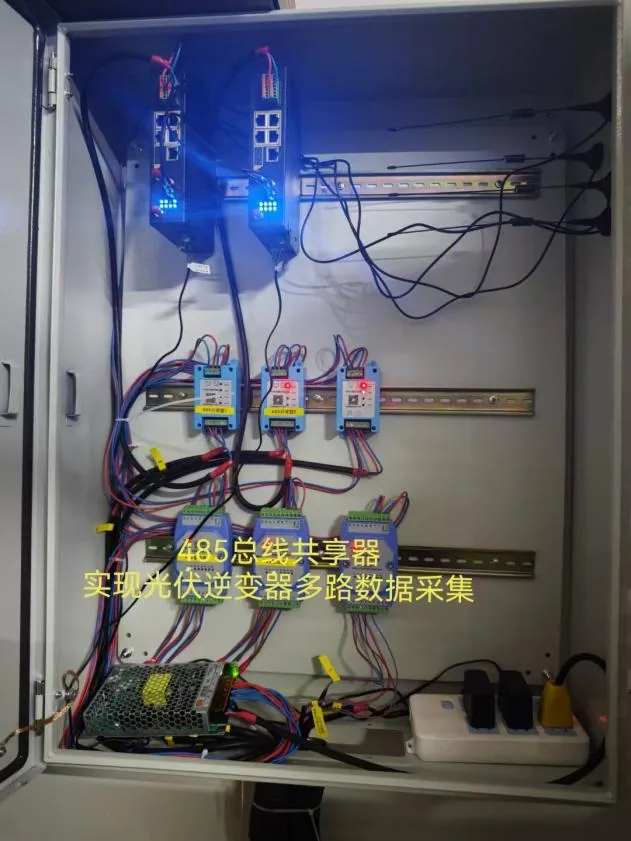
Case 1: a PV plant used an RS485 bus sharer to give its inverter data acquisition multiple transmission paths. The original path ran through the inverter’s data collector stick straight to the State Grid municipal distribution network backend. Without disturbing that existing path, the sharer enabled multi-path acquisition so the generation data could go to the State Grid distribution network and to the plant’s own PV platform at the same time. Operations became more efficient and both the stability and accuracy of data transmission improved markedly.
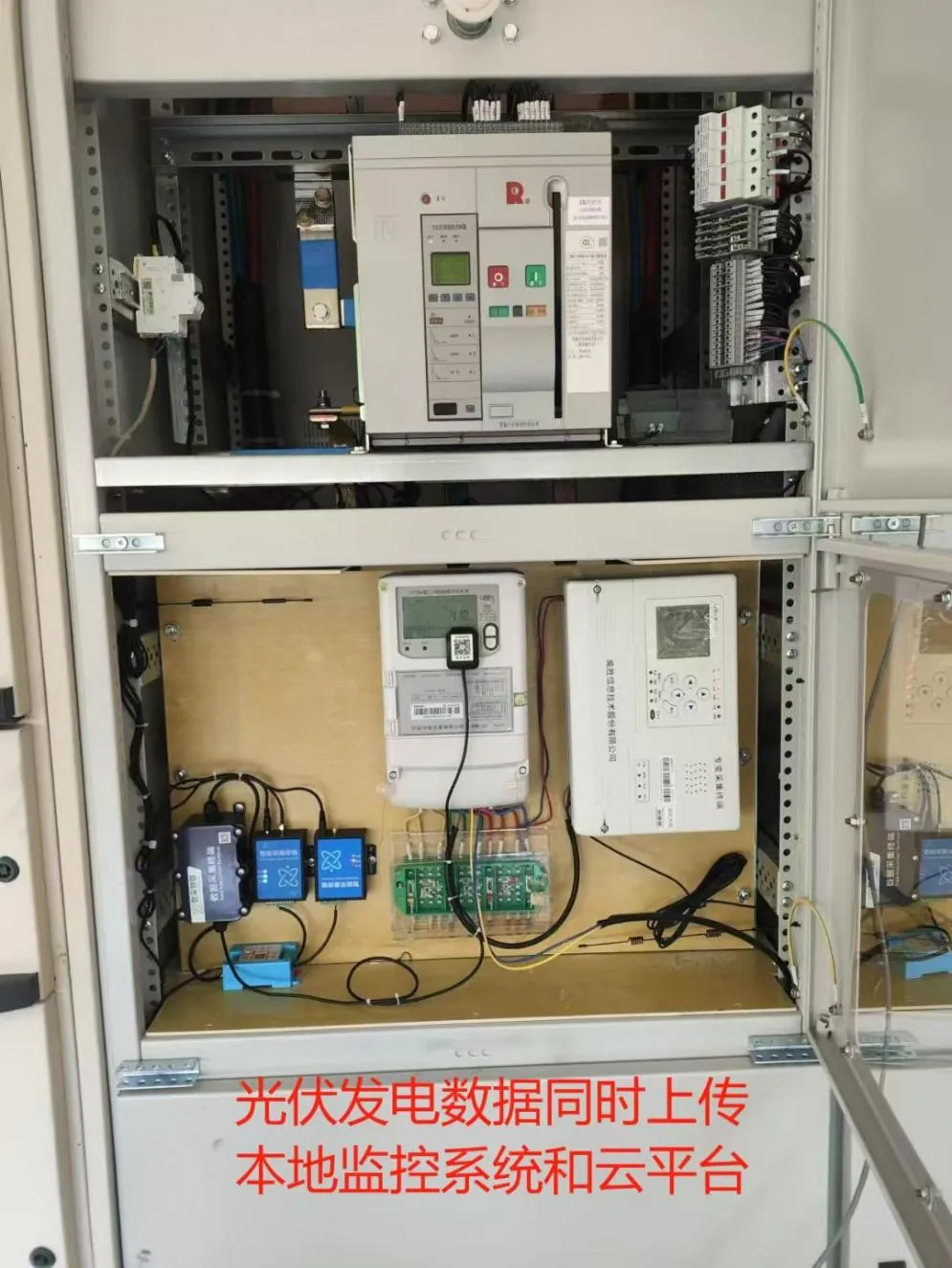
Case 2: a PV plant used an RS485 bus sharer to acquire meter data over multiple paths. It needed both the local monitoring center and a cloud platform to read generation data from the same meter. The meter’s own RS485 port was already taken, so the plant extended it through the meter’s infrared port: a State Grid protocol to Modbus RTU conversion delivered RS485 output from an infrared Modbus RTU reader, and the bus sharer split that single RS485 line into two — one to a 4G smart acquisition terminal (for the cloud) and one to a serial device server (for local use). The same meter data was thus acquired over multiple paths, solving both port contention and data distribution. With the RS485 bus sharer, the plant ran more efficiently and transmitted data to the local monitoring platform and the cloud platform simultaneously.
5. Installation notes
5.1 Wiring and installation
When connecting the RS485 bus sharer to the inverter and the master devices, make sure the wiring is correct and avoid short or open circuits. Observe the polarity of the RS485 interface — reversing it can damage the equipment. Install the unit in a well-ventilated, dry place free of strong electromagnetic interference so it can operate reliably.
5.2 Baud rate and protocol settings
Set the baud rate and communication protocol of the RS485 bus sharer to match the communication parameters of the inverter and the master devices. The baud rate must be identical across the sharer, the inverter and the masters, and the protocol must match; otherwise data transmission will fail or communication will not work at all. If the inverter supports 9600 bps while the sharer is set to 19200 bps, for example, communication will break down.
5.3 Troubleshooting and maintenance
Inspect and service the RS485 bus sharer regularly so that faults are found and resolved early. When a communication fault occurs, check the likely causes one by one — incorrect wiring, a wrong baud rate setting, a device failure and so on — using professional test tools to confirm the equipment is operating correctly.
The RS485 bus sharer offers clear advantages and broad prospects in inverter data acquisition. Applied and maintained properly, it raises both the efficiency and the accuracy of inverter data acquisition and gives solid support to stable plant operation and efficient management. As the PV industry keeps growing, the RS485 bus sharer will take on a larger role in more scenarios and help drive technical progress across the PV energy sector.